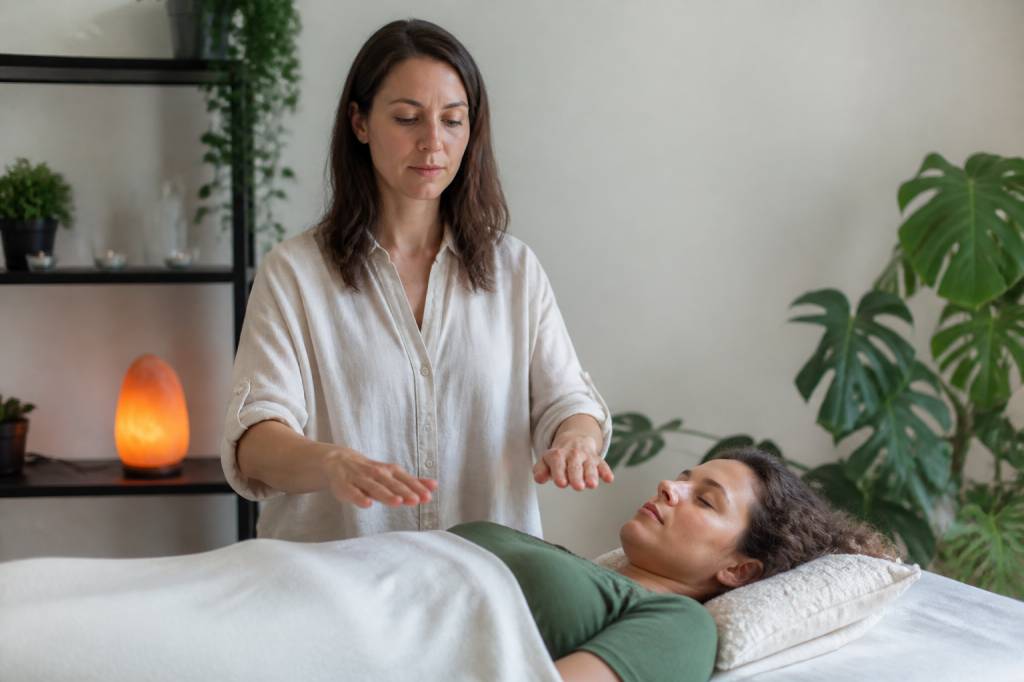
Understanding the idea of a holistic healer
When people first hear the term holistic healer, it can sound a little vague, almost like something that belongs in a quiet candlelit room with herbal tea on the side. But the idea is actually very simple. A holistic healer is someone who looks at the whole person, not just the symptom in front of them.
That means they pay attention to physical health, emotional wellbeing, lifestyle habits, stress levels, sleep, relationships, and sometimes even spiritual needs. Instead of asking only, “What is the problem?”, they are more likely to ask, “What might be contributing to this?” It is a broader, more rounded way of thinking about health.
This approach can feel refreshing in a world where many of us are used to quick appointments, short answers, and treatment plans that focus on one issue at a time. Holistic healing does not reject conventional medicine. In the best cases, it works alongside it, offering extra support and encouraging a deeper understanding of the person behind the diagnosis.
What does holistic healing actually mean?
The word holistic comes from the idea of “the whole.” In healthcare, this means recognising that your body, mind, and daily life are connected. If one area is under strain, the others often feel it too. Anyone who has ever had a stressful week and then noticed poor sleep, tension headaches, or comfort-eating will know exactly how true this can be.
A holistic healer may explore how your lifestyle, environment, emotions, and habits are influencing your health. For example, if someone has ongoing fatigue, they might ask about diet, stress, sleep quality, hydration, movement, and emotional load before looking at the bigger picture. It is not about guessing. It is about listening more deeply and noticing patterns that can be missed when the focus is too narrow.
Holistic healing also tends to be person-centred. Two people may share the same symptom but need very different forms of support. One person may benefit from nutritional changes, while another may need stress reduction, better sleep routines, or emotional support. The goal is to treat the person, not just the complaint.
What does a holistic healer do?
A holistic healer may use a range of methods depending on their training and philosophy. Some work with nutrition and lifestyle coaching, while others offer therapies such as massage, breathwork, mindfulness, Reiki, acupuncture, herbal support, or energy-based practices. Some may blend several approaches in one session.
At the heart of their work is usually a conversation. They take time to understand your history, your routine, your stressors, and your goals. They may ask questions that feel surprisingly ordinary, but that is often where the real insight lies.
For instance:
- How well are you sleeping?
- What does a typical day look like for you?
- Do certain symptoms appear during stressful periods?
- How do you usually eat when life feels busy?
- Are you getting enough rest, movement, and time to recover?
It is the sort of assessment that can make someone feel properly seen. And honestly, that alone can be healing in its own right.
Depending on their practice, a holistic healer might also suggest practical steps such as improving sleep hygiene, reducing stimulants, adding calming routines, trying gentle movement, or making dietary changes. The emphasis is often on achievable habits rather than dramatic overhauls. No one needs to be told to transform their entire life by Monday morning. That rarely goes well.
Common approaches used in holistic healing
Holistic healing is a broad field, which means different practitioners may focus on different tools. Some of the most common approaches include:
- Nutrition support: looking at food choices, digestion, energy levels, and possible deficiencies.
- Mind-body practices: such as breathwork, meditation, yoga, or mindfulness.
- Stress reduction: helping clients manage pressure, anxiety, and emotional overwhelm.
- Sleep support: improving routines and habits that affect rest and recovery.
- Energy therapies: practices such as Reiki or other non-physical healing approaches.
- Manual therapies: massage, acupuncture, or touch-based treatments that support relaxation and circulation.
- Lifestyle coaching: guidance around movement, work-life balance, routines, and self-care.
Not every holistic healer uses every method, and that is perfectly normal. What matters is whether the approach suits your needs, your values, and your comfort level. A gentle, grounded method is often more effective than an impressive-sounding one that leaves you feeling overwhelmed.
How is a holistic healer different from a conventional healthcare professional?
This is a useful question, because the answer is not always as black and white as people expect. Conventional healthcare professionals usually focus on diagnosis, treatment, and managing specific medical conditions. That is essential and often lifesaving. Holistic healers, on the other hand, tend to spend more time exploring the wider context around symptoms.
For example, if someone has recurring stomach discomfort, a conventional doctor may investigate physical causes and prescribe treatment if needed. A holistic healer might also ask about stress, meal timing, emotional tension, sleep, and lifestyle patterns. The two approaches can complement each other beautifully when used wisely.
It is also worth saying clearly that a holistic healer is not a replacement for medical care, especially in serious or urgent situations. If you have concerning symptoms, a new health problem, or a condition that needs medical attention, it is important to see a qualified healthcare professional. Holistic support works best as part of a thoughtful, balanced approach.
Why do people seek out holistic healers?
People are often drawn to holistic healing because something in their life feels out of balance. Maybe they have tried to manage a symptom for months and still feel stuck. Maybe they are looking for support with stress, burnout, chronic fatigue, digestive issues, or emotional exhaustion. Sometimes, they simply want care that feels more personal and less rushed.
Others come to holistic healing because they want to take a more active role in their wellbeing. They may be curious about prevention, lifestyle changes, or natural ways to support their health. Some people also appreciate the sense of calm and space that a holistic session provides. In a busy world, being given time to talk without feeling hurried can feel like a small luxury.
Here is a quiet truth: many people are not only searching for treatment. They are searching for understanding. They want someone to notice the full picture, not just the headline symptom. Holistic healing can offer exactly that.
What kinds of issues might a holistic healer help with?
Holistic healers often work with people dealing with everyday wellbeing concerns, as well as longer-term challenges. Their support may be especially helpful for:
- stress and anxiety
- poor sleep
- low energy
- digestive discomfort
- burnout
- headaches linked to tension or lifestyle patterns
- emotional overwhelm
- difficulty maintaining healthy routines
- general wellbeing and prevention
Their role is usually not to offer a miracle fix. If only health were that tidy. Instead, they may help uncover patterns and build a plan that feels more sustainable. Often, the smallest changes are the ones that matter most: better sleep, steadier meals, more movement, fewer late-night stress spirals, and a bit more kindness toward yourself.
What happens in a holistic healing session?
A first session often begins with a detailed conversation. You may be asked about your health history, symptoms, stress levels, diet, routines, emotional wellbeing, and goals. This is usually followed by a discussion of possible support options tailored to your needs.
Depending on the healer’s practice, a session might include practical advice, a hands-on treatment, a guided relaxation exercise, or a combination of several things. The atmosphere is typically calm and supportive, with space to ask questions and move at your own pace.
Many people find that the experience itself is soothing. Being invited to slow down, reflect, and notice what is happening beneath the surface can feel surprisingly powerful. Sometimes the most helpful part of the process is simply having a moment to pause and listen to your own body.
What qualities make a good holistic healer?
A good holistic healer should not only have training, but also the ability to listen well and work ethically. This kind of care depends on trust, so it helps when a practitioner is warm, respectful, and realistic about what they can offer.
Useful qualities include:
- good listening skills
- a non-judgmental approach
- clear communication
- proper training and qualifications
- a willingness to refer clients to medical professionals when needed
- a person-centred approach
- respect for boundaries and individual preferences
It is also wise to look for someone who does not make exaggerated promises. A responsible holistic healer will not claim to cure everything. They will be honest about what their work can and cannot do, and they will encourage safe, informed decisions.
How to know if holistic healing is right for you
Holistic healing may be a good fit if you are looking for support that feels thoughtful, calming, and tailored to your life rather than just your symptoms. It can be especially appealing if you want to explore the links between stress, sleep, diet, and emotional health.
You might enjoy this kind of support if you prefer a gentle, conversational approach and you are open to making gradual changes. It can also be useful if you feel that conventional care has not fully addressed the bigger picture of how you are feeling.
That said, it is not for everyone. Some people want a very direct, evidence-based medical approach, and that is completely valid. Others like to combine the best of both worlds. There is no single “right” way to care for your health. The best approach is the one that feels safe, sensible, and supportive.
A gentle way of thinking about healing
At its best, holistic healing reminds us that health is not just about removing problems. It is also about creating conditions in which the body and mind can settle, recover, and function well. That may involve better food choices, more rest, less stress, stronger boundaries, or simply learning to notice what your body has been trying to tell you all along.
There is something deeply human about that. We are not machines, after all. We are affected by our routines, our emotions, our environments, and the pace of our lives. A holistic healer works with that reality rather than pretending it does not exist.
For many people, that approach brings relief. It can feel less like being “fixed” and more like being understood. And sometimes, when life has felt too noisy for too long, that understanding is the first truly healing step.