
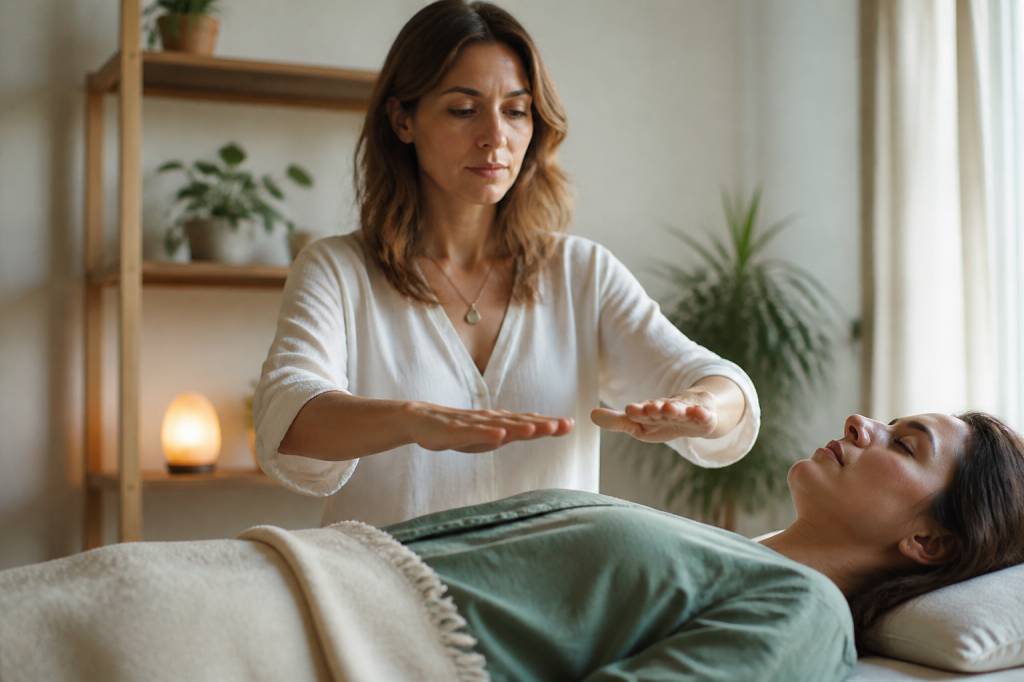
When people hear the phrase “holistic healer”, they may picture herbal teas, calming music and a treatment room filled with soft light. For someone else, it might bring to mind acupuncture, massage, breathwork or energy healing. The term can feel warm and reassuring, but what does it actually mean?
A holistic healer is someone who supports wellbeing by looking at the whole person rather than focusing only on one symptom. This may include the body, mind, emotions, relationships, lifestyle and sense of purpose. Holistic healing is based on the idea that these parts of our lives are connected. When one area is under strain, others may feel the effects too.
It is a gentle and person-centred approach. However, it is important to understand what holistic healing can and cannot offer. It should complement appropriate medical care, not replace it.
What does “holistic healer” mean?
The word “holistic” comes from the idea of the whole. A holistic healer considers your wider experience, not just a list of symptoms. Instead of asking only, “Where does it hurt?”, they may also ask about your sleep, stress levels, diet, movement, daily routines and emotional wellbeing.
For example, imagine someone experiencing frequent headaches. A conventional appointment might explore possible medical causes and recommend suitable treatment. A holistic practitioner may also ask whether the person is drinking enough water, spending long hours at a screen, carrying tension in their shoulders or feeling overwhelmed at work.
These questions do not make the medical assessment less important. They add context. Sometimes, small changes in everyday life can support the body while a person receives proper medical care.
Holistic healers work in many different ways. Some have clinical training in a recognised profession, such as physiotherapy, counselling or nutrition. Others practise complementary therapies, such as massage, reflexology, aromatherapy or Reiki. Their training, experience and professional standards can vary, so it is wise to ask questions before booking an appointment.
How holistic healing views health
Modern life often encourages us to separate everything into neat categories. We may think of physical health, mental health and emotional health as different subjects. In reality, they overlap throughout the day.
A restless night can affect concentration and patience. Ongoing stress may lead to muscle tension, digestive discomfort or changes in appetite. Feeling isolated can make it harder to stay active or care for ourselves. Equally, gentle movement, nourishing meals and supportive relationships can lift our mood.
Holistic healing pays attention to these connections. It may encourage you to notice patterns rather than look for a single quick fix. That does not mean blaming yourself for becoming unwell. Health is shaped by many influences, including genetics, environment, finances, access to care and circumstances beyond our control.
A compassionate holistic approach should create space for all of this. It should not suggest that positive thinking alone can cure illness, or that a person is responsible for every health problem they face.
What might a session with a holistic healer involve?
Every practitioner works differently, but a first session often begins with a conversation. You may be asked about your current concerns, medical history, lifestyle and what you would like support with. This discussion can help you decide whether the practitioner feels like a good fit.
Depending on the therapy, a session might include:
- A wellbeing conversation and practical lifestyle suggestions
- Breathing exercises, relaxation or mindfulness
- Massage or gentle bodywork
- Acupuncture or acupressure
- Guided visualisation or meditation
- Advice about sleep, movement or daily routines
- Energy-based practices, such as Reiki
You should always be told what a treatment involves before it begins. A professional practitioner will explain any possible risks, costs and expected outcomes. You should also feel able to pause or stop a session at any time. Your comfort and consent matter.
Some people find the time and attention itself helpful. In a busy healthcare system, being listened to carefully can feel restorative. A calm conversation may help you recognise that your body has been asking for rest, or that you have been placing your own needs at the very bottom of a long list.
Potential benefits of holistic healing
Holistic therapies can offer useful support in several areas of wellbeing. The benefits will depend on the therapy, the person and the concern being addressed. No approach works in exactly the same way for everyone.
Some people use holistic practices to support:
- Relaxation and stress management
- Emotional self-awareness
- Sleep routines
- Muscle tension and general comfort
- Mindful movement and body awareness
- Confidence in making healthy lifestyle changes
- A stronger sense of connection and personal meaning
Consider someone who spends most of the week rushing between work, family commitments and household tasks. A weekly yoga class, a short meditation or a massage may give them a regular opportunity to slow down. The practice is not a magical solution to every source of stress, but it may become one supportive part of a wider plan.
Likewise, a person recovering from illness may appreciate gentle breathing exercises or relaxation techniques alongside advice from their healthcare team. These practices can help them feel more involved in their own wellbeing, particularly when progress feels slow.
It is also perfectly acceptable to enjoy a holistic therapy simply because it helps you feel calm. Not every beneficial activity needs to be dramatic. Sometimes a quiet hour, a warm cup of tea and a few unhurried breaths are enough to remind us that we are human beings, not machines with an endless battery.
Holistic healing and conventional healthcare
Holistic healing is most helpful when it works alongside appropriate medical care. Doctors, nurses, pharmacists and other regulated professionals can investigate symptoms, diagnose conditions and provide treatments based on medical evidence. Complementary therapies may support comfort and wellbeing, but they do not replace this expertise.
Speak to your GP or another qualified healthcare professional if you have new, severe or persistent symptoms. Seek urgent help for symptoms such as sudden chest pain, difficulty breathing, signs of a stroke, severe allergic reactions or thoughts of harming yourself.
If you are taking medication, are pregnant, have a long-term condition or are preparing for surgery, tell your healthcare professional and your holistic practitioner about any therapies you are considering. Some herbal products and supplements can interact with medicines. Certain massage, heat-based treatments or supplements may not be suitable for everyone.
A responsible holistic healer will be comfortable with this shared approach. They should never ask you to stop prescribed medication, avoid medical advice or delay urgent treatment.
How to choose a holistic healer safely
The word “holistic” is broad, and in the UK it does not always indicate a specific qualification. Before making an appointment, take a little time to learn about the practitioner.
- Ask about their training, qualifications and professional experience.
- Check whether they belong to a recognised professional association.
- Find out whether they hold suitable insurance.
- Read the practitioner’s privacy policy and cancellation terms.
- Ask what a session involves and how much it costs.
- Look for clear, realistic information rather than guaranteed promises.
- Check whether they have experience supporting people with your particular needs.
Be cautious if someone claims to cure serious diseases, promises instant results or tells you that their treatment works for everyone. Be especially wary of practitioners who discourage you from seeing a doctor, insist on expensive packages or suggest that illness is caused by personal failure.
Your instincts are useful here. Do you feel listened to? Are your questions welcomed? Is the practitioner clear about the limits of their role? A supportive professional will not pressure you into continuing treatment or buying products.
Holistic healing at home
You do not need to book an appointment to explore a more holistic approach to wellbeing. Start with small, realistic changes that fit your life. There is no prize for creating an elaborate morning routine that lasts three days and then disappears beneath the laundry.
You might try:
- Taking a few slow breaths before checking your phone in the morning
- Going outside for a short walk and noticing the light, air and sounds around you
- Eating one meal without screens, paying attention to flavour and fullness
- Writing down how you feel before bed
- Stretching gently after long periods of sitting
- Making time for a meaningful conversation with someone you trust
- Creating a calmer bedtime routine with softer lighting and fewer distractions
These simple habits can help you notice what your body and mind need. Perhaps you discover that afternoon fatigue follows a poor night’s sleep. Maybe your shoulders tense whenever you open your inbox. Awareness does not solve everything, but it gives you useful information.
Try choosing one small practice and repeating it for a week. Ask yourself how it feels rather than judging whether you have done it perfectly. Wellbeing is not a performance. Missing a day does not erase your progress.
Is holistic healing right for you?
Holistic healing may appeal to people who want a more personal, whole-person approach to wellbeing. It can encourage reflection, relaxation and healthier routines. Some people enjoy combining complementary therapies with medical treatment, counselling, exercise and nutritional support.
Others may prefer a more clearly defined clinical approach. That is completely reasonable too. Good healthcare is not about choosing one philosophy and rejecting everything else. It is about finding safe, appropriate support for your needs.
Before trying a holistic therapy, consider what you hope to gain. Are you looking for help with stress, a way to relax, support during recovery or guidance with lifestyle changes? Having a clear intention can help you choose a suitable practitioner and recognise whether the experience is useful.
It may also help to speak with your GP, especially if you have symptoms that have not been assessed. A holistic approach begins with caring for the whole person, and that includes making informed decisions about safety.
A gentle way to think about holistic wellbeing
The meaning of a holistic healer is not simply someone who offers an alternative treatment. At its best, holistic healing is an invitation to look at health with curiosity and compassion. It recognises that our bodies exist within real lives, complete with responsibilities, relationships, worries, hopes and the occasional forgotten lunch.
A holistic practitioner may offer a calming treatment, practical suggestions or a space to pause. Their work can be valuable when it is ethical, appropriately trained and used alongside suitable medical care.
You can begin wherever you are. Notice your breathing. Take a short walk. Ask for help when you need it. Make one small change that supports the person you are today, rather than waiting to become a completely different version of yourself.