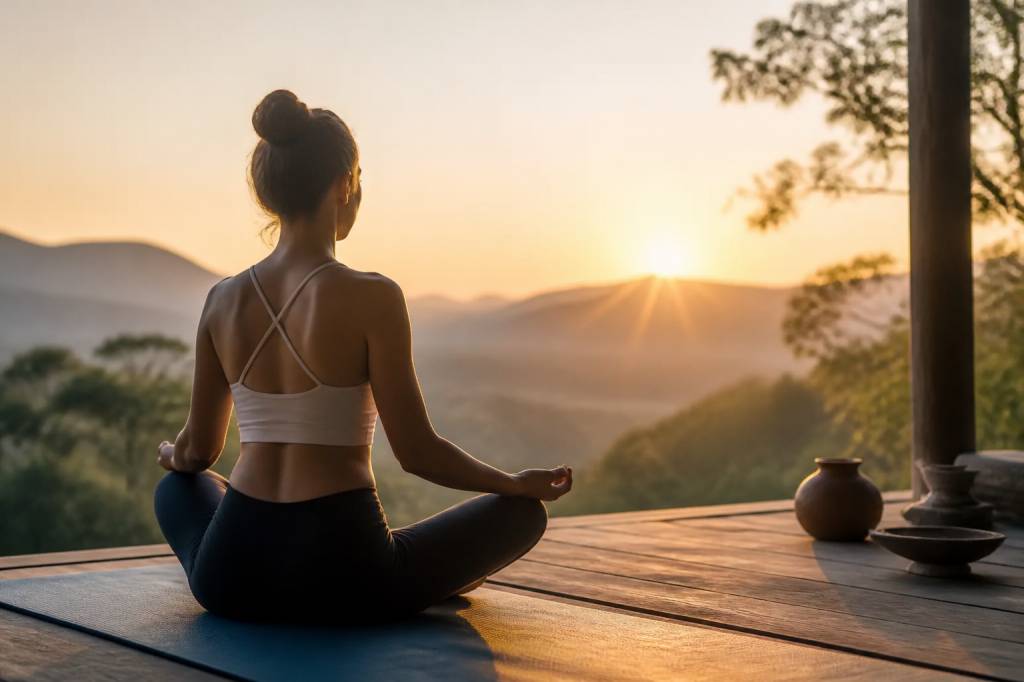
Holistic health is about seeing the whole person, rather than treating wellbeing as a collection of separate parts. Our minds, bodies, relationships, routines and surroundings are closely connected. When one area feels out of balance, the others may notice too.
Think of the days when a poor night’s sleep leaves you feeling irritable, reaching for sugary snacks and skipping your usual walk. Or the opposite: after a nourishing meal and a little time outdoors, you may find that your thoughts feel clearer and your energy steadier. These small links are at the heart of holistic wellbeing.
A holistic approach does not ask you to transform your life overnight. It invites you to pay attention, make supportive choices and care for yourself with patience. It is less about chasing perfection and more about building a life that helps you feel well in a realistic, sustainable way.
What does holistic health mean?
Holistic health considers several dimensions of wellbeing, including:
- Physical health: sleep, movement, nutrition, medical care and everyday energy.
- Mental health: thoughts, emotions, stress levels and psychological support.
- Social wellbeing: friendships, family connections, community and a sense of belonging.
- Lifestyle: work, rest, routines, habits and how you spend your time.
- Environmental wellbeing: the spaces and natural surroundings that influence how you feel.
- Purpose and values: the activities, beliefs and relationships that give life meaning.
These areas will not always feel perfectly balanced. At times, work may need more attention. During other seasons, rest, recovery or emotional support may become the priority. Holistic health leaves room for these changes. It recognises that wellbeing is not a fixed destination, but an ongoing relationship with yourself.
Begin with a gentle check-in
Before changing your routine, it can help to pause and notice what is already happening. A simple check-in might take two minutes. Sit somewhere quiet and ask yourself:
- How does my body feel today?
- What emotions have been present recently?
- Am I sleeping and resting enough for my current needs?
- Which parts of my routine support me?
- Where do I feel stretched, disconnected or depleted?
There is no need to judge your answers. You are gathering information, not grading yourself. Perhaps you notice that your shoulders are tense after long periods at a screen. Maybe your meals have become irregular, or you have been saying “I’m fine” while feeling anything but fine.
Writing down a few thoughts can make patterns easier to see. You could keep a brief wellbeing journal, noting your sleep, mood, movement and energy. This is not about tracking every detail of your life. It is simply a way to listen more closely.
Supporting your mental and emotional wellbeing
Mental health is a central part of holistic health. Caring for your mind may include managing stress, making space for emotions and seeking support when life feels heavy.
Small practices can create helpful pauses in a busy day. Try taking three slow breaths before answering an email, stepping outside between tasks or spending ten minutes without a phone. These moments may seem modest, but they can interrupt the feeling of being constantly rushed.
Mindfulness is another gentle tool. It does not require an hour of silent meditation or a perfectly quiet home. You might practise while drinking tea, noticing its warmth, scent and flavour instead of scrolling through your phone at the same time. You could also focus on the feeling of your feet touching the ground while walking.
It is equally important to make room for difficult emotions. Sadness, frustration and worry are not signs that you are failing at wellbeing. They are part of being human. Talking with someone you trust, writing in a journal or working with a qualified mental health professional can help you process what you are carrying.
If low mood, anxiety or stress is affecting your daily life, relationships or ability to function, speak with your GP or an appropriate healthcare professional. Holistic care includes asking for help; you do not have to manage everything alone.
Nourishing the body without strict rules
Food can support energy, concentration, mood and physical health. A holistic approach to nutrition is not about labelling foods as “good” or “bad”. It is about building a varied pattern of eating that is satisfying, practical and suited to your needs.
A balanced plate often includes a combination of vegetables or fruit, a source of protein, wholegrain or starchy carbohydrates, and healthy fats. For example, a simple lunch might be a jacket potato with beans, salad and yoghurt. Another option could be rice with tofu or chicken, mixed vegetables and a little sesame oil.
Small preparations can make nourishing choices easier. Keeping oats, tinned beans, frozen vegetables, eggs or wholegrain bread at home means that a busy day does not have to end with an empty fridge and a dramatic takeaway negotiation.
Hydration matters too. Water needs vary depending on factors such as activity, weather and health conditions. Keeping a bottle nearby can be a useful reminder, especially if you often become absorbed in work.
Try to eat with awareness when possible. Slowing down for a few mouthfuls, noticing hunger and recognising when you feel comfortably full can reconnect you with your body’s signals. There is no need to make every meal an occasion. Even one screen-free meal a day can be a meaningful beginning.
If you have allergies, digestive symptoms, diabetes or a history of disordered eating, seek individual guidance from a doctor or registered dietitian. General nutrition advice cannot replace personalised care.
Movement that feels supportive
Exercise is often presented as a punishment for eating or a way to change the body. Holistic fitness offers a kinder perspective: movement can help you feel stronger, more mobile, energised and connected to your body.
The best form of exercise is one you can return to. This might be walking, swimming, cycling, dancing in the kitchen, strength training, yoga or gardening. A ten-minute walk around the block still counts. So does stretching while the kettle boils.
Try including different types of movement throughout the week:
- Aerobic activity: walking briskly, cycling, dancing or swimming to support heart and lung health.
- Strength work: bodyweight exercises, resistance bands or weights to support muscles and bones.
- Mobility and flexibility: gentle stretching or controlled movement to help you move comfortably.
- Rest and recovery: quiet days, sleep and lighter activity when your body needs them.
Notice how movement makes you feel rather than focusing only on numbers. Do you feel more awake after a walk? Does strength training give you a sense of confidence? Would a slower session be more appropriate today? Listening to your body is not laziness. It is useful information.
If you are new to exercise, have a medical condition or are recovering from an injury, ask a healthcare professional for advice about suitable activities.
The often-forgotten power of sleep
Sleep supports physical recovery, memory, mood and immune function. Yet it is often the first thing we sacrifice when life becomes busy. The occasional late night is part of modern life, but ongoing sleep deprivation can make even simple tasks feel unusually difficult.
A calming evening routine may help prepare your body for rest. Consider dimming lights, reducing stimulating content and keeping your bedroom cool, comfortable and as dark as possible. Going to bed and waking at similar times can also support your natural rhythm.
You do not need a perfect bedtime routine. Perhaps you read a few pages, listen to gentle music or make a warm, caffeine-free drink. The aim is to create a familiar signal that the day is slowing down.
If you regularly struggle to sleep, snore heavily, wake gasping or feel exhausted despite spending enough time in bed, speak with your GP. Persistent sleep problems deserve proper attention.
Creating healthier relationships with technology
Digital tools can support holistic health. Apps may help you track medication, attend therapy appointments, practise relaxation or stay connected with loved ones. At the same time, constant notifications can leave the nervous system feeling as though it is always on call.
Try creating a few technology boundaries that feel realistic:
- Turn off non-essential notifications.
- Keep your phone away from the bed if possible.
- Take short screen breaks during work or study.
- Choose specific times to check messages instead of responding instantly.
- Spend part of the day using technology intentionally, rather than automatically.
This is not a request to abandon your phone and move into the woods. A little more choice around technology is usually enough. Ask yourself whether a digital habit is helping you feel informed and connected, or leaving you tense and distracted.
Making space for connection and purpose
Wellbeing is not a solo project. Supportive relationships can ease stress, encourage healthy habits and remind us that we are part of something larger than our to-do lists.
Connection does not always require a large social circle. You might arrange a weekly phone call, invite a neighbour for a walk or join a local class. A short message to someone you care about can also matter, particularly when days feel isolating.
Purpose is personal. It may come from caring for family, creating something, helping others, learning, spending time in nature or contributing to your community. Purpose does not have to look impressive from the outside. A life that feels meaningful to you is enough.
When considering your commitments, notice which ones give energy and which consistently drain it. You may not be able to change everything, but a small boundary can protect valuable space. Saying “I cannot take that on this week” is a complete sentence, even if it feels unfamiliar at first.
Let your environment support your wellbeing
The spaces around us quietly influence our mood and habits. Natural light, fresh air, comfortable surroundings and a little order can make daily life feel more manageable.
You do not need to redesign your home. Open a window, bring a plant into your workspace or clear one surface. If you work at a desk, check that your chair, screen and lighting are comfortable. A short walk in a park can offer both movement and a welcome change of scenery.
Spending time in nature has a calming quality for many people. Notice the trees, the weather or the sound of birds on your next walk. You do not need to identify every species. Nature is not an exam.
Environmental wellbeing also includes the wider choices we make. Cooking more meals at home, walking short journeys, reducing waste or choosing reusable items can support both personal and planetary health. Small, repeated actions are often more sustainable than ambitious changes that quickly become exhausting.
Build a routine that can bend
A holistic lifestyle should support real life, including busy weeks, illness, travel and unexpected responsibilities. Instead of creating a long list of daily rules, choose one or two habits that matter most to you.
You might begin with a glass of water after waking, a ten-minute walk after lunch or a regular bedtime. Once this feels familiar, you can decide whether another change would be helpful. If you miss a day, simply return when you can. There is no need for an apology or a dramatic fresh start.
Wellbeing grows through consistency, but consistency does not mean doing everything perfectly. It means coming back to supportive choices with kindness. Your health is not a project to complete. It is something you can care for, one ordinary day at a time.