Health is often discussed in separate pieces: a balanced diet, regular exercise, enough sleep, a calm mind. These are all important, but our wellbeing rarely fits into neat compartments. A stressful week can affect digestion. Poor sleep can make movement feel harder. Loneliness may influence appetite, motivation and even physical health.
Holistic health offers a gentler, wider way of looking at wellbeing. Rather than focusing on one symptom or one part of the body, it considers the whole person: body, mind, emotions, relationships, surroundings and sense of purpose. It asks not only, “What is wrong?” but also, “What might support this person to feel well in everyday life?”
This does not mean abandoning medical care or searching for a perfect lifestyle. It is about bringing the different parts of health into the same conversation, with curiosity and compassion.
What does holistic health mean?
The word “holistic” comes from the idea of the whole. In health and wellbeing, a holistic approach recognises that our physical, mental, emotional, social and environmental needs are connected.
For example, imagine someone who feels constantly tired. A narrow approach might focus only on finding a supplement or treating the tiredness itself. A whole-person approach may also explore sleep quality, stress levels, food, hydration, workload, movement, mood and whether the person has had appropriate medical checks.
It does not assume that every problem has one simple cause. Instead, it makes space for the many influences that shape how we feel.
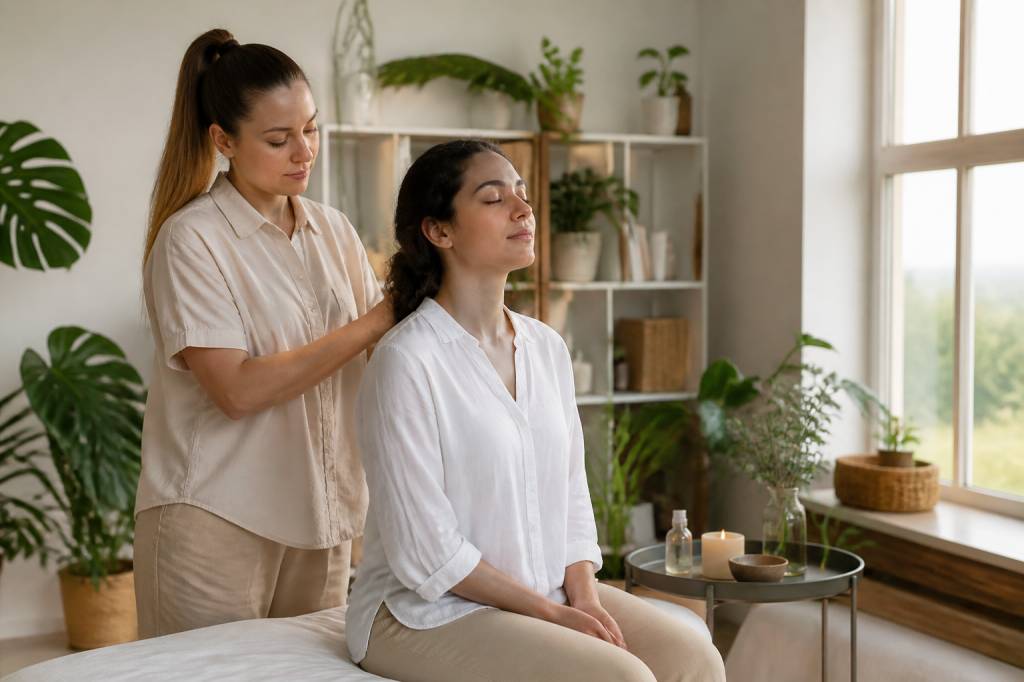
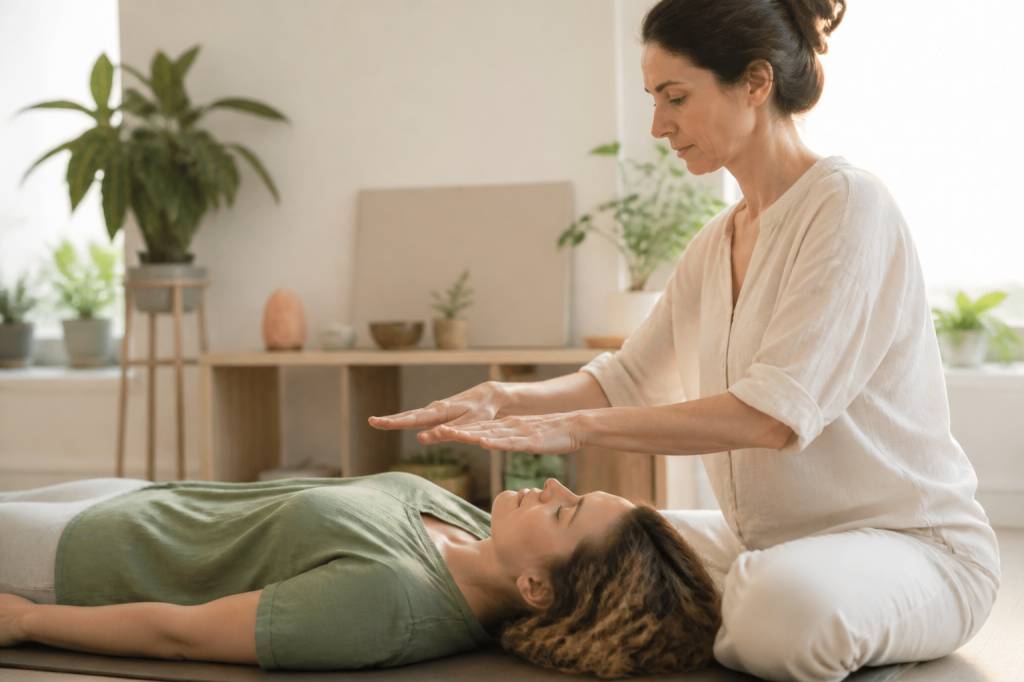
Holistic health can include evidence-based healthcare, healthy daily habits and supportive complementary practices. It is not a replacement for diagnosis or treatment from a qualified healthcare professional. Rather, it can sit alongside conventional care, helping people take a more active and informed role in their wellbeing.
The main areas of whole-person wellbeing
There is no single checklist that defines a healthy life. Everyone has different needs, circumstances and abilities. Still, several areas can help us reflect on the bigger picture.
Physical health
Physical wellbeing includes the body’s basic needs: nourishing food, movement, rest, hydration and appropriate medical care. It also includes managing long-term conditions, attending health appointments and noticing changes in the body.
Movement does not have to mean an intense gym session. A walk after lunch, gentle stretching between meetings or dancing while preparing dinner all count. The most helpful activity is often the one that feels realistic enough to repeat.
Mental and emotional health
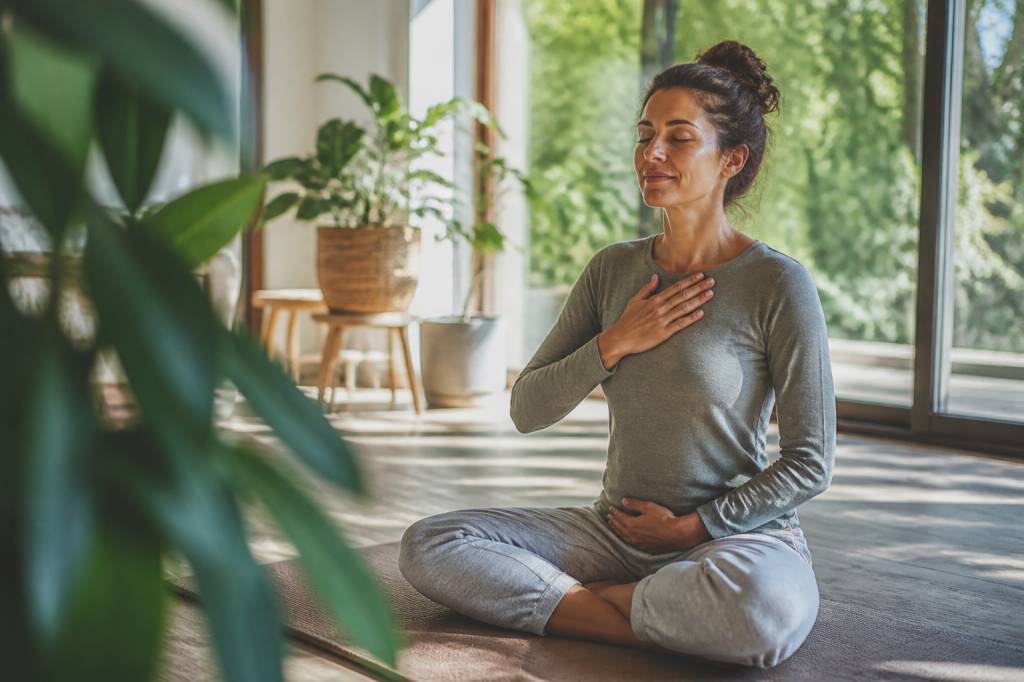
Our thoughts and emotions influence the way we sleep, eat, move and connect with other people. Supporting mental health might involve speaking with a therapist, setting boundaries, writing in a journal, practising breathing exercises or simply making time to acknowledge how we feel.
Wellbeing does not require feeling positive all the time. Sadness, frustration and worry are part of being human. A holistic approach makes room for these emotions without allowing them to become the whole story.
Social connection
Human beings need connection. A friendly conversation, a shared meal or a supportive community can offer comfort and perspective, especially during difficult periods.
Social health is not measured by the number of people in your phone. One honest, dependable relationship may be more nourishing than a crowded social calendar. If you have been feeling isolated, a small first step could be sending a message to someone you trust, joining a local group or taking part in a regular activity.
Purpose and personal values
Purpose does not need to be grand or dramatic. It may come from caring for family, creating something, learning, helping others or being part of a community. Understanding what matters to you can make everyday choices feel more meaningful.
Sometimes wellbeing improves when our routine reflects our values. If connection matters, perhaps protect time for shared meals. If creativity matters, keep a notebook nearby for ideas. These small acts can help life feel more aligned.
The environment around you
Our surroundings can influence our health in quiet but powerful ways. Natural light, fresh air, noise, clutter, access to green space and the safety of our home all play a part.
A holistic approach does not suggest that people can simply “think” their way out of difficult circumstances. Housing, finances, work conditions and access to healthcare have a real impact on wellbeing. However, where choice is available, small environmental changes can help. Opening a window, adding a plant, creating a calmer bedtime space or taking a short walk outdoors may offer a welcome reset.
Why are these areas connected?
Consider a familiar situation: you have slept badly for several nights. You may feel less patient, reach for quick foods, skip exercise and find it harder to concentrate. A tense conversation might then feel more upsetting than usual. One physical issue has touched your emotional, mental and social wellbeing.
The connection also works in a positive direction. A nourishing meal can support energy. A short walk may lift your mood. Better sleep can make it easier to manage stress. Feeling supported by another person can give you the confidence to seek help.
This is why a holistic approach looks for patterns rather than isolated moments. It encourages us to ask what may be contributing to how we feel and which small changes could support several areas at once.
What holistic health looks like in everyday life
Holistic wellbeing does not need to involve an elaborate morning routine, a cupboard full of wellness products or a calendar packed with self-care. In fact, adding too many tasks can create another source of pressure.
It might look like checking in with yourself before reaching for your phone in the morning. Are you tired, hungry, tense or thirsty? It might mean preparing a simple lunch, taking medication as prescribed, going outside for ten minutes or arranging an appointment you have been postponing.
It may also mean recognising when you need support rather than trying to manage everything alone. Asking for help is not a failure of independence. It is a practical form of self-care.
- Pause and notice: take a few quiet moments to observe your energy, mood, tension and needs.
- Choose one supportive habit: perhaps a consistent bedtime, a daily walk or an extra glass of water.
- Make it manageable: begin with a version that fits your real life, not an imaginary perfect week.
- Look for connections: notice whether a change in sleep, food, movement or stress affects how you feel.
- Review with kindness: adjust your approach without turning wellbeing into another reason to criticise yourself.
Holistic nutrition without strict rules
Food is an important part of whole-person health, but nutrition is about more than nutrients on a label. It also includes enjoyment, culture, affordability, routine and your relationship with eating.
A balanced approach may include a variety of fruit and vegetables, sources of protein, wholegrain carbohydrates, healthy fats and enough fluids. It can also include foods chosen simply because you enjoy them. There is no need to make every meal a performance.
Try asking practical questions. Does this meal give me energy? Will it keep me satisfied? Is it affordable and realistic? Can I make it easier to prepare? These questions are often more helpful than chasing the latest food rule.
If you have a medical condition, allergies, a history of disordered eating or specific nutritional needs, personalised advice from a doctor or registered dietitian is important. “Natural” does not automatically mean safe, and supplements can interact with medicines. A little caution can save a great deal of trouble.
Movement as support, not punishment
Exercise is sometimes presented as a way to earn food or change the body. A holistic view places greater emphasis on what movement can give us: strength, mobility, confidence, energy, balance and a clearer mind.
Different bodies need different forms of activity. Swimming may feel calming, strength training may support independence, yoga may improve mobility and walking may provide both movement and time outdoors. Rest is part of a healthy movement pattern too.
Begin where you are. If you have been inactive, five minutes is a beginning, not a failure. If pain, illness or disability affects your movement, seek guidance from an appropriate healthcare professional. The goal is supportive activity, not pushing through warning signs.
Mindfulness and the value of slowing down
Mindfulness is often described as paying attention to the present moment with less judgement. It can be practised formally through meditation, but it can also appear in ordinary activities.
You might notice the warmth of a cup of tea, listen closely during a conversation or take three slower breaths before replying to an email. These moments do not remove life’s difficulties, but they can create a little space between what happens and how we respond.
Even a brief pause can be useful on a busy day. And if sitting quietly makes your mind busier, that is perfectly normal. Mindfulness is not about emptying your thoughts. It is about noticing them and gently returning to the present.
Holistic health and professional care
A whole-person approach works best when it includes safe, appropriate healthcare. Regular check-ups, screening, vaccinations, prescribed treatment and early advice can all be important parts of wellbeing.
Share any complementary therapies, herbal products or supplements with your doctor or pharmacist, particularly if you take medication, are pregnant, are preparing for surgery or live with a long-term condition. Some products can have side effects or affect treatment.
Seek urgent medical help for serious or sudden symptoms, such as severe chest pain, difficulty breathing, signs of a stroke or thoughts of harming yourself. Holistic health should never encourage someone to delay essential care.
A gentle starting point
If you would like to explore holistic health, begin with a simple check-in. Which part of your wellbeing is asking for attention today: sleep, food, movement, stress, connection or your environment?
Choose one small action that feels kind and achievable. You might go to bed thirty minutes earlier, prepare a nourishing breakfast, step outside between tasks or contact a friend. Then notice what happens, without expecting an instant transformation.
Wellbeing is not a final destination reserved for people with flawless routines. It is an ongoing relationship with yourself and the life you are living. Some days will include exercise and homemade meals. Other days may involve rest, convenience food and getting through the afternoon. Both can belong to a healthy, compassionate life.
By looking at the whole person, holistic health invites us to replace all-or-nothing thinking with small, thoughtful choices. Body, mind, relationships and surroundings all deserve care. Not perfectly, and not all at once, but in ways that help you feel a little more supported in your everyday life.