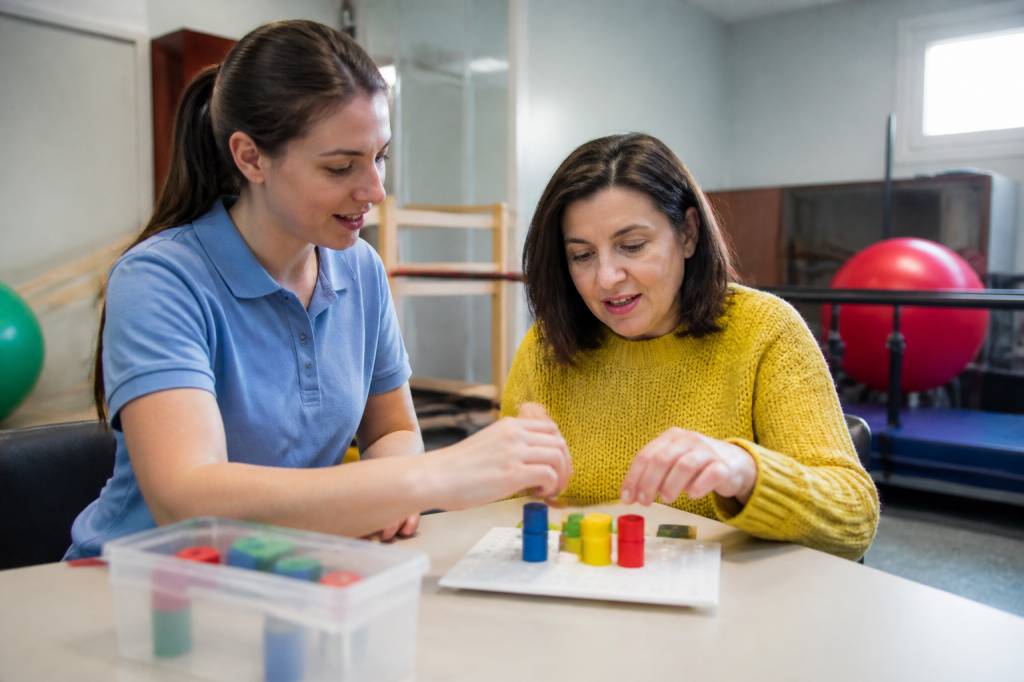
When people think about occupational therapy, they often picture a therapist helping someone regain independence after an illness or injury. Less visible, but just as important, are the occupational therapist assistants who help make that progress possible.
Occupational therapist assistants work closely with occupational therapists, patients, families and wider healthcare teams. Their role is practical, people-focused and varied. One day might involve supporting someone to dress independently; the next could include preparing therapy equipment, helping a child take part in classroom activities or making a home safer after a hospital stay.
In the UK, the job title and exact responsibilities can vary. Some professionals work as occupational therapy assistants, while others may be called occupational therapy support workers, rehabilitation assistants or therapy assistants. They are not registered occupational therapists, but they play a valuable part in delivering safe, personalised care under the guidance of a qualified occupational therapist.
What does an occupational therapist assistant do?
Occupational therapist assistants help people take part in the everyday activities that matter to them. In occupational therapy, an “occupation” is not limited to paid work. It can mean washing, cooking, going to school, returning to a job, managing medication, enjoying a hobby or connecting with other people.
The assistant helps turn the therapist’s assessment and treatment plan into practical support. This may include demonstrating an exercise, practising a daily task, preparing equipment or observing how a person manages at home.
The aim is not simply to make a task easier. It is to help someone build confidence, develop skills and regain as much independence as possible.
For example, imagine a person recovering from a stroke who finds it difficult to use one hand. An occupational therapist may create a programme to practise dressing and meal preparation. The assistant might then support the person through these activities during therapy sessions, offering encouragement and recording progress for the therapist to review.
Typical responsibilities in the role
The day-to-day work depends on the setting and the people being supported. A hospital-based assistant may have a different routine from someone working in a school, community service or care home.
Common responsibilities include:
- Supporting people with personal care and daily living activities, where this forms part of the agreed therapy plan.
- Helping patients practise tasks such as dressing, washing, cooking, writing or using public transport.
- Preparing therapy areas, equipment and materials before sessions.
- Demonstrating activities and encouraging people to take part at their own pace.
- Observing how a person manages a task and reporting relevant changes to the occupational therapist.
- Helping to fit, use or maintain equipment, following appropriate training and instructions.
- Supporting safe transfers, mobility and positioning when trained to do so.
- Working with families, carers, teachers and support staff to encourage consistency.
- Keeping accurate records and contributing to care documentation.
- Following safeguarding, infection prevention, confidentiality and health and safety procedures.
It is important to understand that assistants do not independently assess, diagnose or design occupational therapy treatment plans. They work within their level of training and under the supervision of a registered occupational therapist or another appropriate professional.
Where might occupational therapist assistants work?
This is a flexible career with opportunities across health, social care, education and community services. The environment can shape the role just as much as the job title.
Hospitals: Assistants may support people on medical, surgical, neurological or rehabilitation wards. They might help someone prepare to return home, practise safe transfers or complete everyday activities after an operation.
Community services: In a person’s home or local community, the focus may be on independence and safety. An assistant could help someone practise using a walking aid, follow a home exercise plan or try adaptive equipment in their own kitchen.
Mental health services: Occupational therapy often supports routines, motivation, social participation and meaningful activity. An assistant might help organise a group session, support someone to develop a daily structure or encourage participation in creative and practical activities.
Children and young people’s services: Assistants may work with children who have developmental differences, physical disabilities or sensory needs. Activities might involve handwriting, play, dressing, classroom participation or building confidence with everyday routines.
Care homes: The role may include supporting residents to remain involved in personal care, hobbies and social activities. Small adaptations can make a considerable difference, such as changing the way a task is arranged or introducing a safer piece of equipment.
Charities and private organisations: Some assistants work in specialist rehabilitation, disability support, vocational services or independent living programmes.
A closer look at a typical working day
There is rarely a completely predictable day. That variety can be one of the most rewarding parts of the role, although it requires flexibility.
A morning might begin with a handover from the occupational therapist and wider team. The assistant reviews the plan for each person, checks equipment and considers any safety concerns. During a session, they may support a patient to move from a chair to a bed, practise fastening buttons or prepare a simple drink.
Afterwards, they record what happened. Did the person manage the activity with less help? Were they tired, anxious or in pain? Did the equipment work as expected? These details help the occupational therapist decide what should happen next.
There may also be phone calls with carers, stock checks, team meetings and time spent cleaning or preparing equipment. It is hands-on work, but communication and organisation are equally important.
One day may feel energetic and busy. Another may be quieter, focused on careful observation and encouragement. Progress is not always dramatic. Sometimes it is a person managing one extra button, standing for a little longer or feeling confident enough to try again.
Skills that make a difference
You do not need to be naturally loud or exceptionally sporty to succeed in this career. Many of the most valuable skills are quiet ones: patience, attention and the ability to notice what someone may not say aloud.
Compassion and respect are essential. People receiving support may feel frustrated, embarrassed or worried about losing their independence. A calm approach can help preserve dignity, particularly during personal care or difficult tasks.
Clear communication matters too. Assistants need to explain activities in a way that feels manageable, listen carefully and adapt their language for different ages and abilities. Sometimes a short demonstration is more helpful than a long explanation.
Observation is another key skill. A person may say they are fine, while their posture, breathing or movement suggests they are struggling. Noticing these details and sharing them appropriately helps keep therapy safe.
Teamwork is part of everyday practice. Assistants may work with occupational therapists, nurses, physiotherapists, speech and language therapists, social workers, teachers and family members. Good care depends on people sharing information respectfully.
Practical problem-solving is useful when a task is not working. Perhaps the height of a chair needs adjusting, a kitchen activity should be broken into smaller steps or a child needs a different way to hold a pencil. Small changes can unlock meaningful progress.
Other helpful qualities include:
- Reliability and good time management.
- Emotional resilience and self-awareness.
- A willingness to learn from feedback.
- Physical awareness and safe moving-and-handling practice.
- Confidence with basic record keeping and digital systems.
- Respect for privacy, culture, choice and personal boundaries.
Training and entry routes in the UK
There is no single route into occupational therapy assistant work. Employers usually look for relevant experience, a caring attitude and the ability to work safely as part of a team. Some posts ask for qualifications in health and social care, while others provide structured training once appointed.
Useful starting points may include:
- Health and social care qualifications, such as college-based courses.
- Apprenticeships or trainee support-worker roles.
- Experience as a healthcare assistant, care worker, rehabilitation assistant or support worker.
- Volunteering in hospitals, care homes, disability services or community organisations.
- Experience supporting children, older adults or people living with disabilities.
Employers may also expect basic literacy, numeracy and digital skills. Depending on the setting, checks such as a Disclosure and Barring Service check may be required. Training in moving and handling, first aid, safeguarding and infection control is often provided or expected.
If your longer-term goal is to become a registered occupational therapist, an assistant role can offer valuable insight. It allows you to observe practice, understand different areas of occupational therapy and discover whether the work suits you before applying for an approved degree programme.
It is worth checking the specific requirements of each vacancy. A children’s service, for example, may value classroom experience, while a rehabilitation post may prioritise healthcare or mobility experience.
How occupational therapist assistants support independence
At the heart of the role is a simple but powerful idea: people should be supported to do as much as they can for themselves, in a way that feels safe and meaningful.
That does not mean leaving someone to struggle. It means offering the right amount of help. Too much assistance can unintentionally reduce confidence or make a person more dependent. Too little can create distress or risk. The assistant learns to provide encouragement, prompts, demonstrations and practical support while allowing the person time to participate.
Consider an older adult returning home after a hip replacement. Rather than completing every task for them, an assistant may support them to practise getting dressed with a long-handled aid, prepare a simple meal while seated and move safely around the kitchen. These activities are ordinary, but they are also the building blocks of a confident return home.
In mental health settings, independence may look different. It could involve helping someone create a manageable morning routine, take part in a group or develop strategies for returning to education. Progress might be measured in participation and confidence rather than physical strength.
Challenges to consider
This career can be deeply rewarding, but it is not always easy. Some people may be in pain, frightened, confused or reluctant to participate. Progress can be gradual, and plans may change quickly when a person’s health or circumstances change.
The work can also be physically and emotionally demanding. Safe moving and handling, appropriate breaks and good team support are important. Assistants need to recognise their own limits and ask for help when a task falls outside their training.
Boundaries matter. A warm relationship is helpful, but the assistant must remain professional, protect confidentiality and respect the person’s choices. Compassion does not mean carrying every worry home at the end of the day.
Career development and future opportunities
With experience, an occupational therapist assistant may take on more specialised responsibilities, depending on local roles and training. Areas of interest can include neurological rehabilitation, mental health, paediatrics, older people’s services, physical rehabilitation or community equipment.
Some people progress into senior support roles, therapy technician positions or wider health and social care careers. Others use their experience as a stepping stone towards occupational therapy training, nursing, physiotherapy or social work.
Continuing professional development is part of good practice. This may include learning about dementia care, sensory processing, assistive technology, falls prevention, communication needs or culturally sensitive support.
Technology is also becoming more visible in rehabilitation. Digital exercise programmes, communication aids and remote appointments can complement face-to-face care. Even so, the human relationship remains central. A device may guide an activity, but encouragement, trust and careful observation cannot be downloaded.
Could this role be right for you?
An occupational therapist assistant role may suit you if you enjoy practical work, meeting people and helping everyday achievements feel possible. You will need patience, curiosity and a willingness to learn from each person rather than assuming one approach works for everyone.
Ask yourself:
- Do I enjoy helping people build confidence step by step?
- Am I comfortable working as part of a wider team?
- Can I communicate calmly when someone feels upset or frustrated?
- Would I value a role that combines practical tasks with careful observation?
- Am I willing to follow guidance, reflect on my practice and keep developing?
If the answer is yes, exploring volunteering, speaking with an occupational therapy team or searching for local therapy assistant vacancies could be a gentle first step. You may discover that the moments which seem small from the outside—holding a cup, choosing an outfit, joining a conversation—can be the moments that matter most to someone’s independence and wellbeing.